 +420 603 593 006
 Stores in Prague, Brno, Ostrava


First-grade enrolment 2027 in the Czech Republic: not a formality, but a decision that shapes nine whole years
Enrolment for a stamp, or for the future?
More than 110,000 children will turn up for first-grade enrolment in the Czech Republic in 2027 – and most of their parents will go with a single goal: to leave with a confirmation. Instead of using one of the few opportunities to influence what their children's nine-year school journey will look like.
It may sound exaggerated. After all, it's ‘just’ enrolment. But that's exactly when important decisions open up. The choice of school, teacher, classmates and approach to education – it all starts right now, between October 2026 and February 2027. And those who come prepared simply have more options and can choose according to their own ideas.
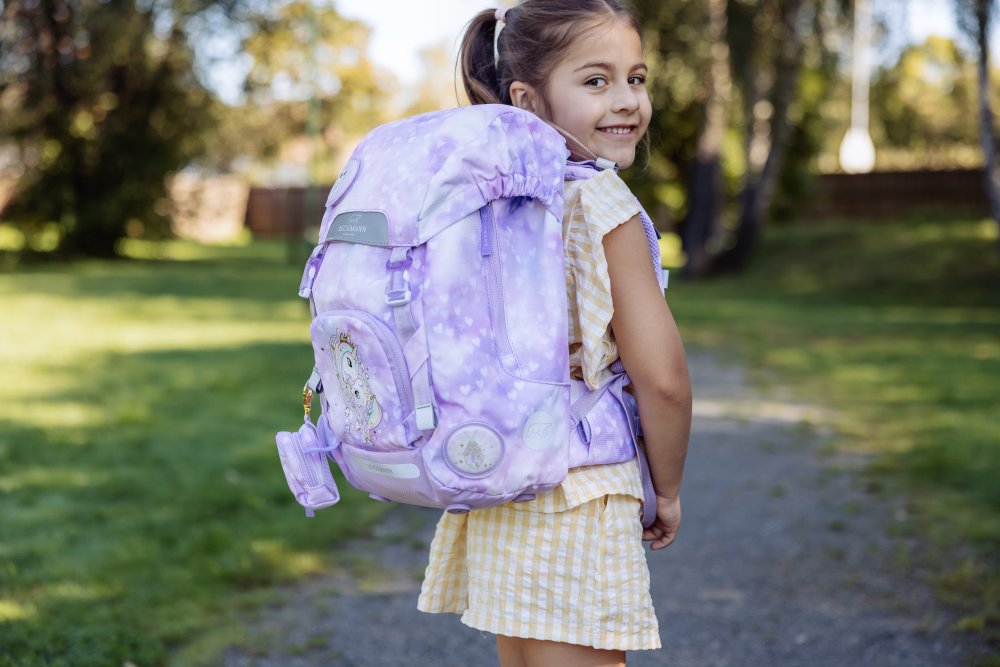
What has changed – and why choosing a school matters more than ever
Czech education has moved on over the past few years. Schools differ from one another more than you'd expect – from classic front-of-class teaching through Montessori and the Hejný method to schools that focus on digital literacy. Your catchment school has long ceased to be your only option. And that's exactly why it pays to see enrolment as a step, not as paperwork.
The diversity of classes, the approach to inclusion, different rules on homework – two schools on the same street can work completely differently. And as a parent, you have the right to choose.
2027 dates: a timeline worth keeping to hand
In the Czech Republic, enrolment for the first grade for the 2027/2028 school year takes place from 15 January to 15 February 2027. Each school sets its own exact day and time. Compared with previous years, this is a shift – enrolment used to take place in April. If you're used to the spring date, this is a major change.
How to plan your preparation?
- October–November 2026 – shortlist 2–3 schools in your area, follow their websites and social media, look out for open day dates
- November–December 2026 – visit the open days, talk to teachers and to parents of older children
- Early January 2027 – prepare your documents, check your school's registration system (some cities open online registration as early as the beginning of January)
- 15 Jan – 15 Feb 2027 – enrolment itself
- March–April 2027 – admission decisions, and dealing with a possible deferral
5 questions to ask at open days
Most parents walk along the corridor at an open day, peek into the classrooms and leave feeling ‘it looks nice’. But what does that actually tell you about the school?
Try asking about things that the general information on the website or in a leaflet won't tell you:
- How do you handle it when a child can't keep up with the pace of the class? – This tells you whether the school takes an individual approach to each child or expects all children to progress at the same pace.
- How many children will be in the class, and how many of them have had their school start deferred? – Class size and the age mix of the children can have a big impact on the atmosphere and relationships in the class.
- What does a typical day look like for a first-grader, from arrival to going home? – You'll get a realistic idea of how things actually work.
- Which method do you use to teach reading and maths? – Analytic-synthetic, genetic, Hejný? You'll get an idea of what a particular method means for your child in everyday lessons.
- What do you do when children make fun of a classmate? – The answer to this question will tell you more about the school's approach to children.
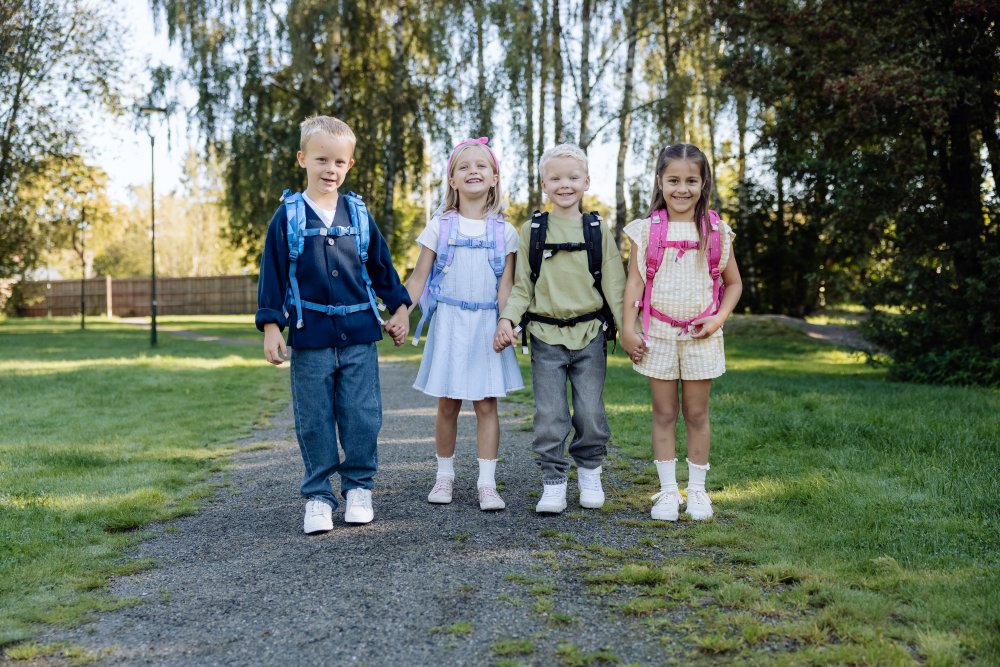
What happens at the enrolment itself
At enrolment, teachers check whether the child is ready for school. They don't test them on any curriculum – no reading or counting is expected. They're interested in how the child communicates, whether they can keep their attention, how they hold a pencil, and whether they recognise basic colours and shapes.
What doesn't your child need to be able to do? Read. Write. Count to a hundred. Tie their shoelaces (although it helps).
What, on the other hand, can decide admission to an oversubscribed school? Catchment. By law, children from the catchment area have priority. If you want a school other than your catchment school, count on having a specific backup plan.
What to bring
- Your child's birth certificate
- ID card of the parent or legal guardian
- A completed application for admission (most schools have it on their website to download in advance)
- For a child whose school start was deferred last year – the deferral decision
Deferring school start in 2027: how to decide without pressure
There are plenty of myths about deferring school entry. ‘Boys always benefit from an extra year.’ ‘Girls are more mature, they can start earlier.’ None of that is a rule.
You apply for a deferral directly at enrolment, and you need a recommendation from an educational and psychological counselling centre and from a specialist doctor. If you're considering a deferral, book an appointment at the counselling centre ideally right now, in autumn 2026 – waiting times can be several weeks.
So what is actually a reason for deferral? It's not about whether the child can write their name. It's about overall maturity – social, emotional and in terms of work habits. Whether they can sit still, concentrate and function in a group without constant support from an adult. The counselling centre will answer that better than the neighbour.
Frequently asked questions
When is first-grade enrolment in 2027?
In the Czech Republic, enrolment for the first grade for the 2027/2028 school year will take place from 15 January to 15 February 2027. Each school sets its own exact date within this period – keep an eye on your chosen school's website from autumn 2026.
Do I have to enrol my child at our catchment school?
No. Czech law gives you the right to enrol your child at any primary school. However, your catchment school is obliged to admit your child, whereas a school outside your catchment area can fill its places with catchment pupils first. That's why we recommend always having a backup option.
What does a child need to be able to do at enrolment?
Reading and writing are not tested at enrolment. Teachers assess overall school readiness – communication, the ability to concentrate, understanding of basic concepts (colours, shapes) and pencil grip. Your child certainly doesn't need to be able to read or count.
How do I apply to defer school entry?
You apply for a deferral directly at enrolment. You need a recommendation from an educational and psychological counselling centre and from a specialist doctor. We recommend booking an appointment at the counselling centre well in advance – waiting times can be several weeks, especially after New Year.
When is the best time to start choosing a school?
Right now – autumn 2026 is the ideal time. Schools usually hold open days from October to December. Just shortlist 2–3 schools in your area, visit them and ask the teachers a few specific questions, which we've described earlier in this article.

First-grade enrolment isn't a test of your child. It's an opportunity for you as a parent. An opportunity to choose the environment where your child will spend nine years. And that includes things that often get forgotten – such as how to handle the whole move from nursery to school calmly or what surprised us as parents in the first school year.
What can you do right now? Look up three primary schools in your area, call them and ask: when are they holding an open day? Write down the dates. That's where it all begins.
Choosing a school – and a backpack too?
We'll help you choose a backpack that your child's back will appreciate every day.
Browse sets for first-graders


 Register